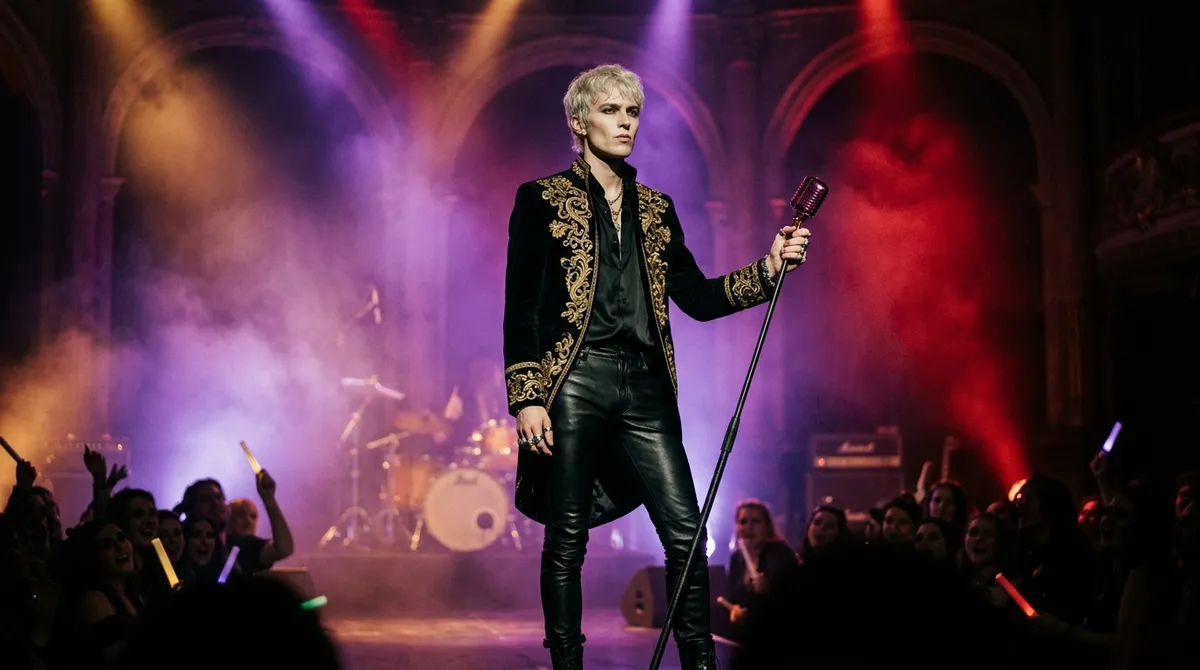
A Bold Musical Pivot for The Vampire Chronicles
AMC's Interview with the Vampire is undergoing a dramatic transformation for its third season, now titled The Vampire Lestat. According to reports, the upcoming season marks a significant departure from the series' previous focus on memory, trauma, and confession, instead embracing ego, performance, and rock-star mythmaking as central themes.
The shift represents what's being positioned as a major reinvention of Anne Rice's vampire mythology, transforming the gothic narrative into a theatrical, music-led character spectacle that puts Lestat firmly at the center of the story.
Music as Character Psychology
One of the most notable changes for season 3 involves the expanded role of composer and co-writer Daniel Hart, who has moved from traditional scoring into the writers' room. According to reports, Hart's involvement has fundamentally shaped how music influences the writing, performances, costumes, and production design of the series.
The integration of rock music serves a dual purpose in the narrative structure. Reports indicate that Lestat's music functions both as a plot device and as a window into his character psychology, offering viewers an unreliable narrator's version of events filtered through his rock-star persona.
From Gothic Drama to Rock Spectacle
The transformation from Interview with the Vampire to The Vampire Lestat represents more than just a title change. According to reports, the series is evolving from its previous focus on introspective storytelling to embrace a more theatrical approach that centers on Lestat's perspective and his musical ambitions.
Star Sam Reid is reportedly undergoing his own transformation for the role, evolving from the supporting vampire character into Lestat the rock star. This shift aligns with the season's broader emphasis on performance and spectacle over the more subdued psychological exploration of previous seasons.
Visual World Expansion
The visual scope of season 3 is also expanding significantly, according to reports. The production design encompasses everything from French chateaus to rock clubs, creating a diverse backdrop that supports the series' genre-blending approach. This visual variety reflects the show's movement away from the confined, intimate settings of earlier seasons toward a more expansive and theatrical presentation.
The costume design is also reportedly being influenced by the musical elements, with Hart's involvement extending beyond composition to impact the overall aesthetic choices that define Lestat's rock-star transformation.
Building Anticipation Through Music
According to reports, AMC has been strategically building fan anticipation through teaser drops, casting reveals, and song releases. This multimedia approach to promotion reflects the season's emphasis on music as a central storytelling element rather than simply background scoring.
The early release of musical content serves to establish the rock opera tone before the season premieres, giving audiences a preview of how dramatically the series is shifting its approach to vampire mythology.
A Risky Creative Gamble
The decision to transform Interview with the Vampire into a music-driven spectacle represents a significant creative risk. According to reports, the series is moving away from the psychological depth and intimate character study that defined its earlier seasons in favor of a more bombastic, performance-oriented approach.
This shift from confession and trauma to ego and mythmaking reflects Lestat's character but also fundamentally changes the viewing experience. The success of this transformation will likely depend on whether audiences embrace the rock opera format as a natural evolution of Anne Rice's vampire world or view it as a departure from what made the series compelling.
As The Vampire Lestat prepares for its debut, the series stands as an example of how established shows can reinvent themselves through bold creative choices, even when those decisions involve abandoning successful formulas in favor of uncharted territory.