A 1977 Vision That Predicted 2026 Reality
Steven Spielberg's Close Encounters of the Third Kind may be approaching its 50th anniversary, but according to reports, the film's exploration of government secrecy and UFO phenomena feels more relevant than ever in 2026. The 1977 sci-fi classic tackled themes of institutional cover-ups and extraterrestrial contact that mirror today's real-world conversations about transparency and the unknown.
Modern UFO Culture Mirrors Spielberg's Vision
Recent years have witnessed a remarkable shift in how society discusses UFO phenomena, with renewed public interest in government disclosure debates and conspiracy theories about hidden alien contact. This cultural moment makes Spielberg's decades-old exploration of these themes feel prescient and culturally urgent, according to entertainment analysts.
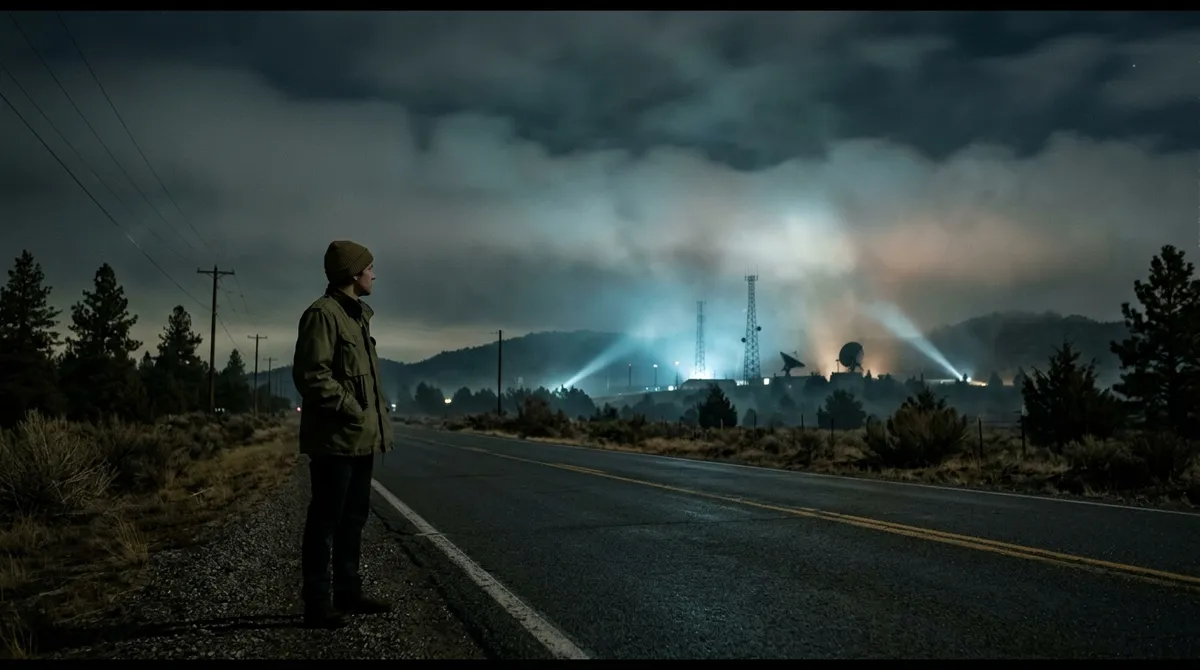
The film's portrayal of ordinary people discovering truth while facing institutional denial created a template that continues to influence conspiracy narratives today. This dynamic between individual discovery and government secrecy resonates particularly strongly in an era where declassified UFO reports and congressional hearings have moved from science fiction to front-page news.
Government Transparency Then and Now
What makes Close Encounters particularly striking in 2026 is how it anticipated modern UFO disclosure culture. The film's depiction of government agencies hiding extraterrestrial contact from the public mirrors contemporary debates about institutional transparency. According to reports, creators today can draw direct parallels between Spielberg's fictional cover-ups and actual discussions about what governments may or may not be revealing about unexplained aerial phenomena.
The movie's 1977 anxieties about government secrecy have evolved into today's reality of actual declassified UFO reports and official congressional hearings on the topic. This progression from fictional speculation to documented government acknowledgment demonstrates how prescient Spielberg's vision truly was.
Shaping Our Alien Mythology
Beyond its conspiracy elements, Close Encounters fundamentally influenced how audiences visualize and mythologize first contact with extraterrestrial life. Spielberg's approach to depicting alien encounter scenarios established visual and narrative conventions that continue to shape science fiction cinema and popular culture discussions about potential extraterrestrial contact.
The film's impact extends to the psychology of belief itself, exploring why audiences both then and now are drawn to stories of hidden alien truth. This psychological element speaks to deeper human desires for understanding our place in the universe and questioning the information we receive from authoritative sources.
Entertainment Meets Reality
For entertainment enthusiasts, the film represents a fascinating case study in how science fiction can predict and influence real-world cultural conversations. The movie's themes have proven remarkably durable, transitioning from speculative fiction to legitimate policy discussion topics.
The relevance of Close Encounters in 2026 also highlights how conspiracy theories in entertainment can serve as cultural barometers, reflecting societal anxieties and desires for truth. According to reports, the film's continued resonance demonstrates the power of science fiction to explore complex themes about trust, authority, and the unknown in ways that remain meaningful across decades.
Cultural Legacy in the Digital Age
As government transparency debates continue to evolve and UFO phenomena receive unprecedented official attention, Spielberg's 1977 masterpiece stands as both entertainment and inadvertent prophecy. The film's exploration of how ordinary individuals respond to extraordinary circumstances while navigating institutional secrecy provides a framework that feels remarkably contemporary.
The enduring appeal of Close Encounters of the Third Kind in 2026 speaks to fundamental human questions about our place in the universe and our relationship with the institutions that govern our lives. In an era where science fiction increasingly resembles documentary, Spielberg's vision continues to offer both entertainment and insight into our collective fascination with the unknown.