The Fast-Paced World of Procedural Casting
At the recent ATX TV Festival, casting directors behind some of television's most popular procedural shows pulled back the curtain on their high-stakes, fast-moving industry. CSA members Eric Souliere, Veronica Collins Rooney, and Rebecca Mangieri, who work on shows like 9-1-1, Tracker, Fire Country, Chicago Med, and S.W.A.T., shared insights into what they described as the demanding yet opportunity-rich world of procedural television casting.
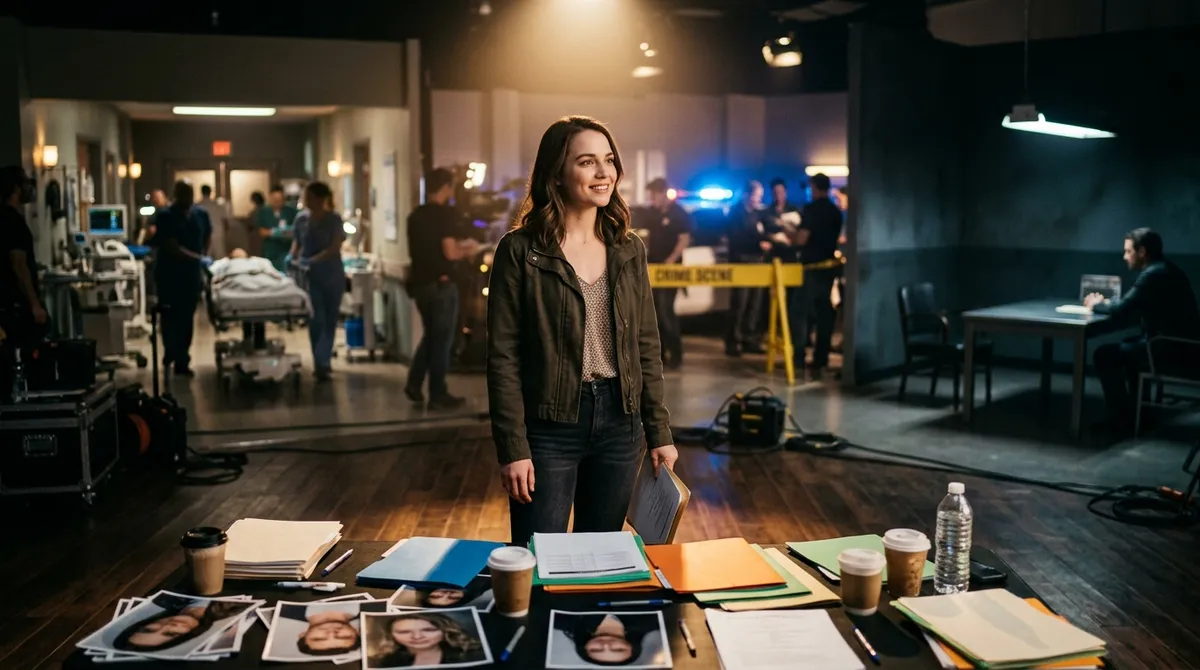
According to reports from the panel, these casting professionals revealed the relentless pace that defines their work, including the challenge of casting a full episode in just four days. This breakneck speed is a hallmark of procedural television, where the case-of-the-week format demands a constant stream of new faces and fresh talent.
Procedurals as Hollywood's Hidden Talent Engine
While prestige television continues to capture critical acclaim, procedural shows are emerging as increasingly important career pipelines for actors. According to the panel discussion, procedurals remain one of the few TV formats still producing 18-to-22-episode seasons, creating a substantial number of guest roles that simply don't exist in shorter prestige series.
This format creates what the casting directors described as rare opportunities for emerging actors to get noticed in an increasingly competitive industry. The constant need for new characters means casting directors are continuously searching for fresh faces, making procedurals a crucial entry point for actors looking to break into television.
The Logistics Behind the Scenes
The panel revealed several behind-the-scenes challenges that make procedural casting particularly complex. One significant consideration discussed was the logistics of avoiding repeat actors across different shows within the same television universe. This requires careful coordination and detailed record-keeping to maintain consistency across multiple series.
Casting directors also addressed how they work to make regional authenticity feel real in their shows. This attention to detail helps ground procedural storylines in believable settings, even when filming locations might differ from the show's supposed geographic setting.
Why Procedurals Matter More Than Ever
As the television landscape continues to evolve, procedural shows are maintaining their relevance in unexpected ways. According to reports from the festival panel, the format's high-volume approach to casting creates opportunities that are becoming increasingly scarce elsewhere in the industry.
The casting directors emphasized how the case-of-the-week storytelling structure keeps them constantly searching for new talent. Unlike limited series or shorter seasonal arcs, procedurals require a steady pipeline of guest stars, day players, and supporting characters to populate their weekly stories.
The Four-Day Challenge
Perhaps the most striking revelation from the panel was the timeline pressure these casting professionals face. According to the discussion, casting directors must complete the casting process for an entire episode in just four days. This compressed schedule requires exceptional organizational skills, quick decision-making, and an extensive network of talent relationships.
This rapid turnaround also means that actors who are ready to audition and available for quick booking have significant advantages in the procedural casting world. The format rewards preparedness and flexibility, qualities that can make the difference between landing a role and missing an opportunity.
Industry Impact and Future Opportunities
The insights shared at ATX TV Festival highlight how procedural television continues to serve as a vital component of the entertainment ecosystem. For actors, casting teams, and creators trying to understand how TV talent is discovered today, procedurals represent a consistent source of opportunities in an otherwise uncertain industry landscape.
As streaming platforms and networks continue to adjust their programming strategies, the reliable format of procedural television provides stability for both viewers and industry professionals. The casting directors' discussion underscored how these shows function as training grounds where emerging talent can develop their skills while building their professional networks.
The panel's revelations offer valuable insight into a segment of the television industry that, while perhaps less glamorous than prestige programming, continues to play a crucial role in developing the next generation of television talent.