Nobody Planned Any of This
Here's a wild thought: almost nothing in your kitchen, your medicine cabinet, or your junk drawer was supposed to turn out the way it did. The microwave oven? Born from a melted chocolate bar. Post-it Notes? Literally useless glue that found its moment. Penicillin? A scientist came back from vacation to a messy lab and changed the world forever.
We love a good origin story in pop culture — the underdog comeback, the unexpected collab, the career pivot nobody saw coming. Turns out, the world of science and invention has been running that same playbook for centuries. These 26 everyday items all started as accidents, mistakes, or total failures. And yet here we are, using them daily without a second thought.
The Kitchen Accidents We're Grateful For
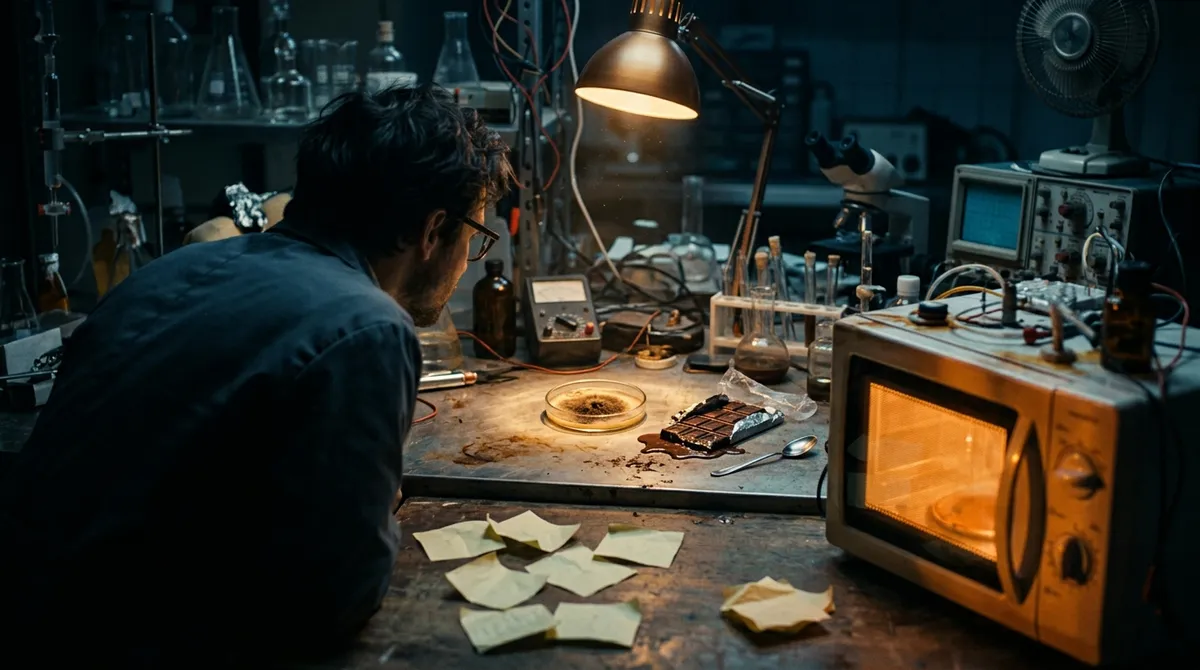
Let's start where most of us spend our mornings. The microwave oven exists because a Raytheon engineer named Percy Spencer noticed a radar-powering magnetron had melted the chocolate bar in his pocket back in 1945. Instead of being annoyed, he got curious — pointed the device at popcorn kernels, watched them pop, and accidentally launched a kitchen revolution.
Corn Flakes happened when the Kellogg brothers left boiled wheat sitting out way too long at their Michigan sanitarium in the 1890s. The stale mistake flaked apart when rolled thin, toasted beautifully, and reshaped Western breakfast forever. The chocolate chip cookie came from Ruth Wakefield in the 1930s expecting chopped Nestlé chocolate to melt uniformly into her batter — it didn't, and gooey pockets of chocolate goodness were born.
Even Coca-Cola was a happy accident of sorts. Pharmacist John Pemberton's medicinal tonic reportedly got mixed with carbonated water at a soda fountain, and a fizzy, delicious failure of a headache cure became one of the most recognizable products on earth.
The Lab Blunders That Literally Save Lives
Some accidental discoveries didn't just taste good — they genuinely changed medicine.
Penicillin is the heavyweight champion here. In 1928, Alexander Fleming returned from holiday to find a contaminated Petri dish of bacteria with a ring of dead cells surrounding a mold growth. Most people would have tossed it. Fleming stared at it and discovered the antibiotic age.
X-rays came from Wilhelm Röntgen noticing a fluorescent screen glowing in 1895 when it had absolutely no business doing so. He'd accidentally discovered invisible radiation passing through solid matter, and medicine was transformed overnight.
Then there's the implantable pacemaker — one of the most beautiful wrong-part stories ever told. Engineer Wilson Greatbatch grabbed the wrong resistor while building a heart-rhythm recorder in 1956. The circuit didn't record — it pulsed. He realized those pulses could regulate a failing heart. Millions of people are alive today because of that one mix-up.
The Toys, Gadgets, and Everyday Stuff
This is where things get really fun. Post-it Notes came from 3M scientist Spencer Silver's spectacularly weak adhesive — glue that barely glued, that nobody wanted for over a decade, until a colleague named Art Fry used it to keep his hymnal bookmarks in place. Global office staple, incoming.
Silly Putty was supposed to be synthetic wartime rubber and turned out to be completely useless for that purpose. It bounced, stretched, snapped, and lifted ink off newspaper pages. Zero practical wartime applications. Absolutely iconic toy.
Play-Doh started as a wallpaper cleaning putty. When washable vinyl wallpaper made the product obsolete, someone noticed kids were using the non-toxic goo for art projects. A cleaning product rebranded into one of the most beloved children's toys of all time.
Bubble Wrap was pitched as textured wallpaper (yes, really) and then as greenhouse insulation. Both flopped hard. Somebody eventually realized the air pockets were perfect for protecting fragile shipments — and also, let's be honest, the most satisfying thing to pop when you're stressed.
The Pattern Nobody Talks About
Look across all 26 of these stories — from Velcro (inspired by burrs stuck to a dog) to Teflon (a gas canister that polymerized itself) to the ice cream cone (an out-of-dishes emergency at the 1904 World's Fair) — and a single thread connects them all.
Something went wrong. And somebody chose to get curious instead of just annoyed.
The accident wasn't the invention. The invention was paying attention to the accident. Percy Spencer wasn't the first person to stand near a magnetron. Constantin Fahlberg wasn't the first chemist to forget to wash his hands. But he was apparently the first one to notice his bread roll tasted strange and actually follow the thought.
In a weird way, these stories are peak pop culture energy — the unexpected plot twist that ends up being the whole point. The flop era that turns into the comeback. The B-side that becomes the hit.
So next time something goes sideways on you? Maybe look twice before you toss it. Your accidental masterpiece might be closer than you think.